- A
-
acrophobia
ak-ruh-foh-bee-uh / ˌæk rəˈfoʊ bi ə /
(noun)
extreme or irrational fear of heights. -
affluent
af-loo-uhnt, uh-floo-uhnt / ˈæf lu ənt, əˈflu ənt/
(adjective | noun)
i) opulent, prosperous, rich, wealthy;
ii) (of water) flowing freely or in great quantity. -
aggrieved
uh-greevd / əˈgrivd /
(adjective)
indignant, offended, resentful, upset:
feeling resentment at having been unfairly treated. -
allude
uh-lood / əˈlud /
(verb)
hint at, imply, mention, suggest -
animosity
an-uh-mos-i-tee / ˌæn əˈmɒs ɪ ti /
(noun)
aversion, enmity, hatred, hostility -
appalling
uh-paw-ling / əˈpɔ lɪŋ /
(adjective)
shocking, horrifying, abominable -
appellation
ap-uh-ley-shuhn / ˌæp əˈleɪ ʃən /
(noun)
a name or title -
apprise
uh-prahyz / əˈpraɪz /
(verb)
inform, notify, tell -
ascribe
uh-skrahyb / əˈskraɪb /
(verb)
accredit, assign, attribute -
audacious
aw-dey-shuhs / ɔˈdeɪ ʃəs /
(adjective)
i) bold, daring, fearless, wild;
ii) extremely original, without restriction to prior ideas, highly inventive;
iii) impudent, impertinent, insolent, presumptuous - B
-
Burdock
bur-dok / ˈbɜr dɒk /
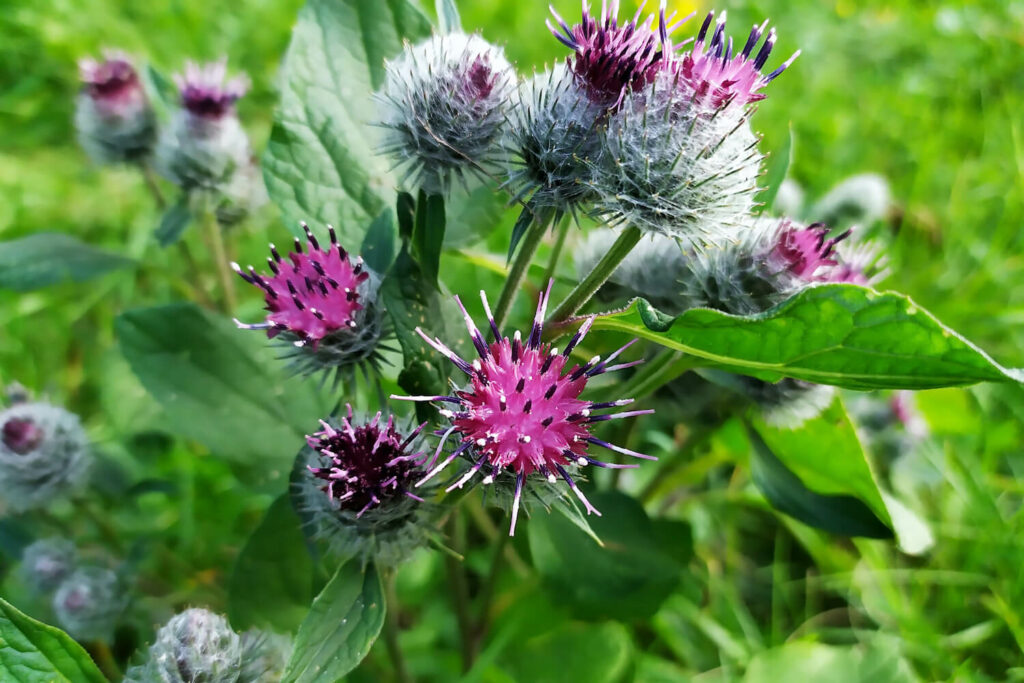
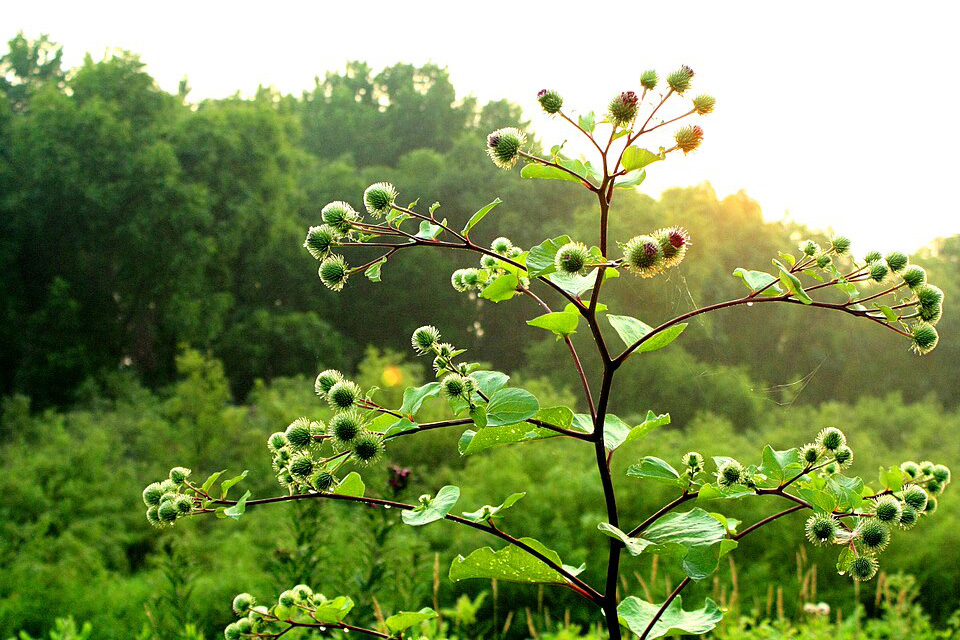
The burdock genus (Arctium), which belongs to the daisy family (Asteraceae), includes only ten to fourteen species. Although burdock plants are now widespread throughout the world, most of them grow natively in Eurasia and North Africa. It has been suggested that the Latin genus name Arctium derives from the ancient Greek word for ‘bear’, because the flowers are reminiscent of their felt-like fur.
Depending on the species, burdocks can reach heights of 50 to 300 cm. Burdocks are native bee-friendly plants. Bumblebees, bees, butterflies and other insects meet among the burdock blooms at pollination time.
- C
-
conspicuous
kuhnn-spik-yoo-uhs / kənˈspɪk yu əs /
(adjective)
clear, obvious, visible - D
-
decapitate
dih-kap-i-teyt / dɪˈkæp ɪˌteɪt /
(verb)
behead, guillotine -
delineate
dih-lin-ee-eyt / dɪˈlɪn iˌeɪt /
(verb)
define, describe, portray;
outline, trace -
deprecate
dep-ri-keyt / ˈdɛp rɪˌkeɪt /
(verb)
censure, condemn, criticize, denounce, reprobate -
discernible
dih-sur-nuh-buhl, -zur- / dɪˈsɜr nə bəl, -ˈzɜr- /
(adjective)
visible, noticeable, perceptible -
disassemble
dis-uh-sem-buhl / ˌdɪs əˈsɛm bəl /
(verb)
break up, dismantle -
disparage
dih-spar-ij / dɪˈspær ɪdʒ /
(verb)
belittle, depreciate, underestimate -
dispensable
dih-spen-suh-buhl / dɪˈspɛn sə bəl /
(adjective)
expandable, unnecessary, inessential -
dissemble
dih-sem-buhl / dɪˈsɛm bəl /
(verb)
deceive, dissimulate, fake, feign, pretend - E
-
elucidate
ih-loo-si-deyt / ɪˈlu sɪˌdeɪt /
(verb)
clarify, explain, unravel, untangle -
Evergreen
ev-er-green / ˈɛv ərˌgrin /

Evergreens are plants, trees, or shrubs that retain their leaves or needles throughout the year, rather than shedding them in autumn like deciduous plants. They are characterized by year-round foliage, often with thick, leathery leaves or cone-bearing, needlelike structures, providing consistent color and structure to landscapes. Popular examples include conifers like pines and spruces, as well as broadleaf plants such as holly, boxwoods, and rhododendrons.
-
expatiate
ik-spey-shee-eyt / ɪkˈspeɪ ʃiˌeɪt /
(verb)
expound:
speak/write at length or in detail. -
expound
ik-spound / ɪkˈspaʊnd /
(verb)
explain, describe, detail, present, propose:
present and explain (a theory or idea) systematically and in detail. - G
-
garish
gar·ish (adjective)
flashy, gaudy, lurid, overbright, showy -
Geraniums
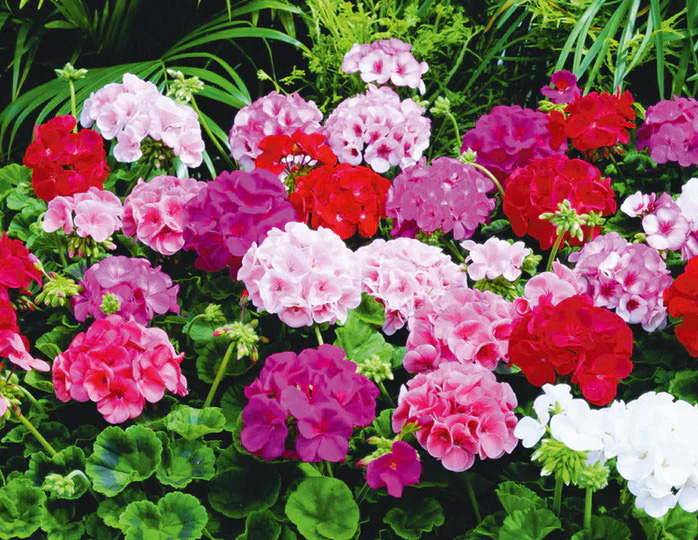
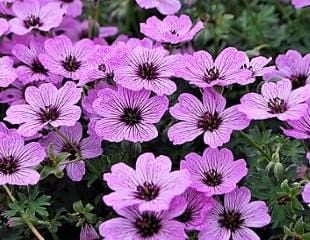
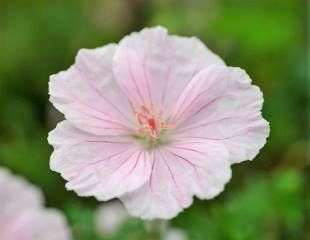
commonly known as geraniums or cranesbills. They are found throughout the temperate regions of the world and the mountains of the tropics, with the greatest diversity in the eastern part of the Mediterranean region.
The palmately cleft leaves are broadly circular in form. The flowers have five petals and are coloured white, pink, purple, or blue, often with distinctive veining.
Confusingly, “geranium” is also the common name of members of the genus Pelargonium. The shape of the flowers offers one way of distinguishing between the two genera Geranium and Pelargonium. Geranium flowers have five very similar petals, and are thus radially symmetrical (actinomorphic), whereas Pelargonium (and also Erodium) flowers have two upper petals which are different from the three lower petals, so the flowers have a single plane of symmetry (zygomorphic).
-
Gillyflowers
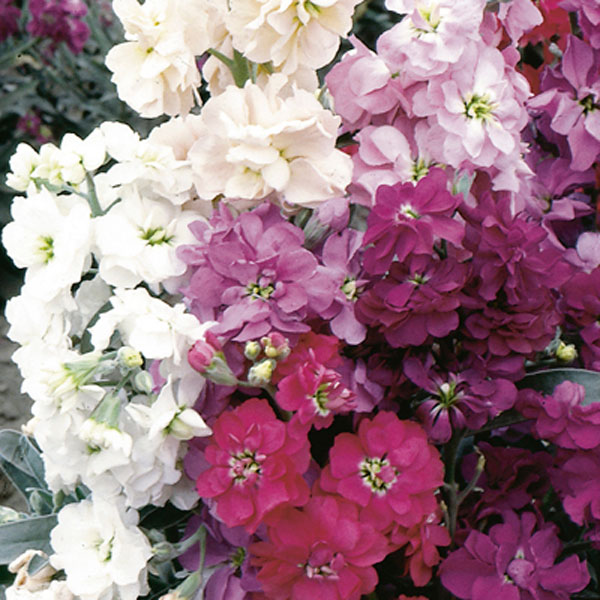
a group of highly fragrant, often clove-scented flowers popular from the 14th–16th centuries, frequently referring to carnations, pinks, stocks, and wallflowers. Historically significant in Tudor times, the name derives from the French giroflée (clove) and is associated with summer, often representing “bonds of affection” or “lasting beauty”.
- H
-
Hedgerows
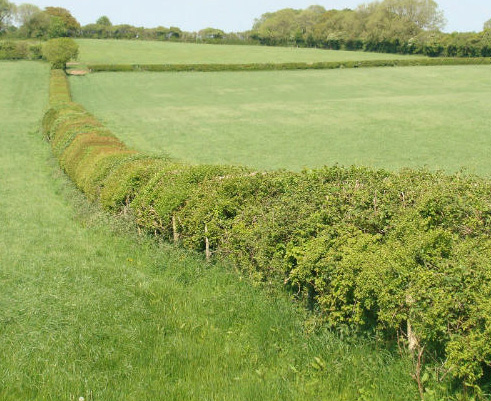
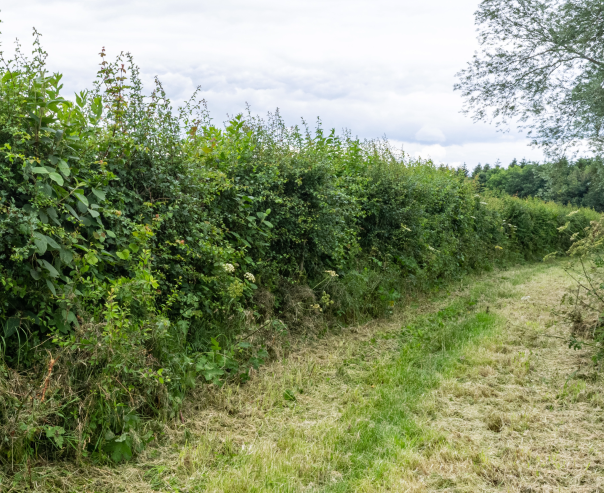
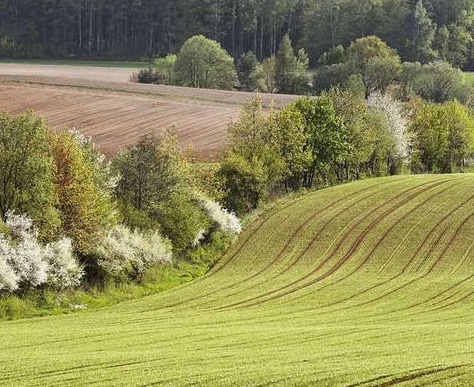
linear boundaries of closely planted shrubs, trees, and woody plants (often hawthorn or blackthorn) that act as living fences, primarily in the UK countryside and agricultural areas. Originating centuries ago, they define property lines, provide vital wildlife habitats, improve biodiversity, and act as windbreaks.
- I
-
imitation
im·i·ta·tion (noun)
copying, emulation;
copy, replica, reproduction, simulation -
imminent
im·mi·nent (adjective)
approaching, forthcoming, impending, looming -
immaculate
im·mac·u·late (adjective)
clean, flawless, neat, spotless -
impeccable
im·pec·ca·ble (adjective)
exemplary, faultless, flawless, perfect -
incapacitate
in·ca·pac·i·tate (verb)
disable, immobilize, paralyze -
incensed
in·censed (adjective)
enraged, very angry -
incent
in·cent (verb)
provide with an incentive. -
incredulous
in·cred·u·lous (adjective)
doubtful, distrustful, skeptical, unbelieving -
ineffable
in·ef·fa·ble (adjective)
indescribable, overwhelming, unutterable:
too great or extreme to be expressed or described in words. -
inexorable
in·ex·o·ra·ble (adjective)
inevitable, unavoidable, unstoppable;
inflexible, unbending, unwavering, unyielding -
inference
in·fer·ence (noun)
conclusion, deduction, reckoning:
a conclusion reached on the basis of evidence and reasoning. -
insufferable
in·suf·fer·a·ble (adjective)
intolerable, unbearable;
arrogant, conceited -
insular
in·su·lar (adjective)
conventional, small-minded, close-minded;
relating to/from an island. -
intimation
in·ti·ma·tion (noun)
hint, indication, sign, signal -
intimacy
in·ti·ma·cy (noun)
closeness, rapport -
intrepid
in·trep·id (adjective)
adventurous, dauntless, fearless -
intricate
in·tri·cate (adjective)
complex, complicated, detailed, tangled -
invulnerable
in·vul·ner·a·ble (adjective)
immune, impenetrable, impregnable, secure -
ire
ire (noun)
anger, rage, wrath - L
-
lucid
lu·cid (adjective)
clear, comprehensible, intelligible:
expressed clearly; easy to understand;
bright, glowing, luminous, shining -
lucrative
lu·cra·tive (adjective)
gainful, profitable -
lurid
lu·rid (adjective)
garish, vivid:
very vivid in color, especially so as to create an unpleasantly harsh or unnatural effect. - P
-
patent
pat·ent (noun | adjective)
copyright, license, permit, privilege;
apparent, obvious -
peremptory
per·emp·to·ry (adjective)
commanding, domineering, imperious, overbearing -
perfidious
per·fid·i·ous (adjective)
deceitful, unfaithful, untrustworthy -
pervade
per·vade (verb)
permeate, infuse, perfuse, suffuse -
portent
por·tent (noun)
forewarning, omen, premonition, sign -
potent
po·tent (adjective)
mighty, powerful, strong -
precipitancy
pre·cip·i·tan·cy (noun)
rashness/suddenness of action. -
preemptive
pre·emp·tive (adjective)
serving/intended to preempt or forestall something, especially to prevent attack by disabling the enemy. - R
-
rapacious
ra·pa·cious (adjective)
avaricious, grasping, greedy -
reiterate
re·it·er·ate (verb)
repeat, restate, retell -
renegade
ren·e·gade (noun | adjective)
traitor, deserter;
disloyal, traitorous, treacherous -
repulse
re·pulse (verb | noun)
fend off, hold off, repel, ward off;
disgust, nauseate, revolt, sicken;
repelling, defeat;
repulsion -
retaliate
re·tal·i·ate (verb)
counterattack, fight back, react, respond -
revelry
rev·el·ry (noun)
party:
lively and noisy festivities. -
reverence
rev·er·ence (noun)
veneration, deep respect -
reverie
rev·er·ie (noun)
daydreaming, hallucination, trance - S
-
scrupulous
scru·pu·lous (adjective)
careful, meticulous, thorough;
honorable, righteous, upright -
specious
spe·cious (adjective)
superficially plausible, but actually wrong:
deceptive, misleading -
spurious
spu·ri·ous (adjective)
not being what it purports to be:
bogus, fake, false, specious, invalid, sham - T
-
tepid
tep·id (adjective)
lukewarm;
apathetic, indifferent, listless, offhand -
Tumbler Pigeon
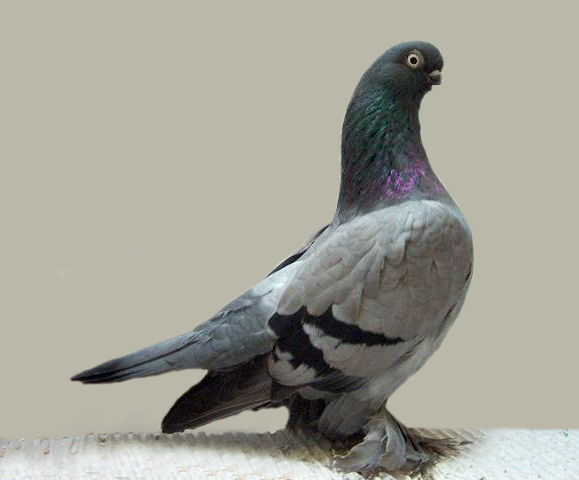
a group of domestic pigeon breeds known for their unique flying behavior of tumbling or somersaulting during flight. These pigeons are not bred for long-distance flight or homing instincts like some other pigeon breeds; instead, they are selected for their ability to perform specific aerial acrobatics.
The most distinctive characteristic of tumbler pigeons is their rolling or tumbling behavior. During flight, these pigeons execute backward somersaults or rolls. This behavior is a result of selective breeding over generations to enhance and exaggerate this unique aerial performance.
- U
-
ubiquitous
u·biq·ui·tous (adjective)
omnipresent:
present, appearing, or found everywhere. -
unabated
un·a·bat·ed (adjective)
without any reduction in intensity or strength. -
undermine
un·der·mine (verb)
damage, erode, wear away;
diminish, reduce, weaken -
unduly
un·du·ly (adverb)
disproportionately, excessively, inappropriately, inordinately, overly -
unflinching
un·flinch·ing (adjective)
fearless, resolute, unfaltering, unwavering -
unwonted
un·wont·ed (adjective)
uncommon, unfamiliar, unusual, unprecedented - V
-
vacate
va·cate (verb)
leave, evacuate, quit -
vacillating
vas-uh-ley-ting (adjective)
wavering, irresolute, hesitant -
vagary
va·gar·y (noun)
whim, caprice, unpredictability:
an unexpected and inexplicable change in a situation or in someone's behavior. -
valiant
val·iant (adjective)
brave, courageous, fearless -
vandal
van-dl (noun)
troublemaker, hooligan, thug, ruffian -
vanity
van·i·ty (noun)
conceit, egotism, pride, arrogance;
uselessness, futility, worthlessness -
venal
ve·nal (adjective)
corrupt, dishonest, shady, unscrupulous -
venerable
ven·er·a·ble (adjective)
esteemed, honorable, respected, revered, venerated -
veracious
ve·ra·cious (adjective)
accurate, true, truthful -
verisimilitude
ver·i·si·mil·i·tude (noun)
the appearance of being true or real. -
vertiginous
ver-tij-uh-nuhs / vərˈtɪdʒ ə nəs / (adjective)
i) whirling, spinning, rotary, unstable;
ii) affected with vertigo; dizzy
iii) liable/threatening to cause vertigo -
vertigo
vur-ti-gohtij / ˈvɜr tɪˌgoʊ / (noun)
giddiness, dizziness, acrophobia -
verve
verve (noun)
energy, enthusiasm, vigor, spirit, zest -
vestige
ves·tige (noun)
hint, memory, remnant, remains, sign, trace -
viable
vi·a·ble (adjective)
attainable, achievable, effective, feasible -
vicinity
vi·cin·i·ty (noun)
closeness, nearness, proximity -
vicissitude
vi·cis·si·tude (noun)
alteration, change, transition, transformation:
a change of circumstances or fortune, typically one that is unwelcome or unpleasant. -
vie
vie (verb)
battle, compete, contend, contest -
vigilant
vig·i·lant (adjective)
alert, heedful, observant, watchful -
vilify
vil·i·fy (verb)
defame, insult, slander -
villainous
vil·lain·ous (adjective)
atrocious, evil, vicious, wicked -
vindictive
vin·dic·tive (adjective)
vengeful, revengeful, unforgiving -
visage
vis·age (noun)
appearance, countenance, face, feature:
a person's face, with reference to the form or proportions of the features. -
vivacious
vi·va·cious (adjective)
animated, jaunty, lively, merry -
volition
vo·li·tion (noun)
will:
the power to make your own decisions. -
voracious
vo·ra·cious (adjective)
gluttonous, ravenous;
eager, enthusiastic, hungry

Vocaburaries
New vocaburaries from all the books I’ve read.